Give Mosquitoes the Boot This Summer
By Ritchie Industries
That familiar high-pitched buzz is an unwelcome reminder that warm weather brings pesky mosquitoes. More than just annoying, some mosquitoes are the primary transmitters of West Nile virus, Eastern equine encephalomyelitis (EEE), and Western equine encephalomyelitis (WEE).
Mosquito breeding requires just a small amount of stagnant or standing water. Some species lay their eggs above the waterline on the inner walls of containers with water. These eggs stick to the container walls like glue and can survive dry conditions for up to eight months. Once rainwater or other water sources reach the level of the eggs, the larvae will start to emerge. This is one reason why it is imperative that if you water your horse with stock tanks or troughs you need to scrub and rinse your tanks out weekly and more often in mosquito-prone climates.
Once nighttime temperatures are above 50 degrees or daytime temperatures top 80 degrees, it is primetime for mosquitoes. It takes about seven to 10 days for an egg to develop into a bloodsucking adult.
Automatic Waterers Deprive Mosquitoes of a “Nursery” in Your Horse Barn or Paddock
Even if you are diligent at removing anything on your farm that can unintentionally hold water, you might be overlooking your horse’s stock tank. It is easy for mosquitoes to scout out this potential nursery for their larvae and lay eggs just above the waterline on any given day. Once you refill your tank, you’ve just created the perfect conditions for those eggs to hatch and continue the mosquito’s lifecycle.
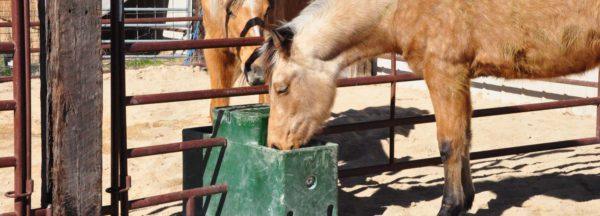
A simple way to eliminate this scenario forever is to install an automatic waterer. Be sure to look for automatic waterers like Ritchie that are designed for horses with safety and efficiency in mind. Automatic waterers supply clean, fresh, temperate water on demand with a quick-refill function that keeps the waterline at a constant height. The refill valves also keep the water flowing and disrupt ideal conditions for mosquito eggs to hatch. Certain models of automatic waterers may also have options like stainless steel troughs, matching shrouds or portable garden hose hook-ups. Waterers that are outside in paddocks or pastures can also come equipped with easy-to-use thermal caps that keep out sunlight, which maintains a cooler water temperature and inhibits algae growth.
Save Water, Save Money and Keep Your Horse Healthy and Hydrated
Scrubbing, cleaning and dumping stock tanks to reduce mosquitoes is not only time consuming, but also downright wasteful. As drought conditions grip most of the Western U.S., it is important to conserve as much water as you can. Dumping 50-gallon stock tanks on a regular basis adds up to thousands of gallons of water wasted in a year, and as was noted earlier, you may inadvertently trigger larvae hatching when you dump water.
Mosquitoes are resourceful about finding hidden water sources and adapting to any environment – whether it is in drought or is excessively wet. Some of the most significant West Nile virus outbreak years have occurred during very dry summers.
Protect your horses and give mosquitoes the boot this summer in three easy steps:
- Vaccinate your horses against West Nile virus.
- Hang livestock fans to prevent mosquitoes from feeding on your horses.
- Eliminate standing water and install automatic livestock waterers.
For more information visit: Ritchie Industries | RitchieFount.com
