Legacy System Protects Your Horse
By Classic Equine
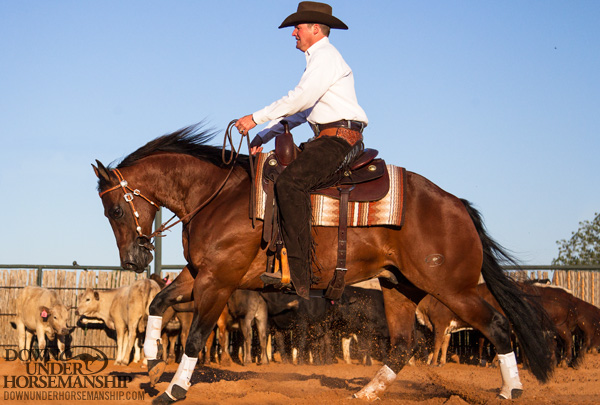
The Classic Equine Legacy System works with the horse’s own natural support structures. Horses are naturally designed to stop, turn and accelerate — the Legacy System reinforces these motions and provides protection to the critical structures within the leg by cradling the fetlock and provides suspensory support without inhibiting movement.
The suspensory apparatus is a thick branch of the suspensory ligament that supports the fetlock joint during the weight-bearing phase of a stride. The Legacy’s patent is the fetlock cradle system that provides maximum protection to the fetlock while reinforcing the ligament structures.
The Legacy System comes in the front boots and hind boots and is often accompanied with no-turn bell boots. The boot comes in 12 standard colors along with seasonal designer line varying patterns. The boot was designed with horse safety and rider convenience in mind. The neoprene is breathable and comfortable, and the exterior adds added protection from overreaching and destruction. The Legacy System is one of the most competitive protection boots on the market and is proud to have had a part in Clinton Anderson’s career over the years.
