Training Tip: Horses That Play With the Bit
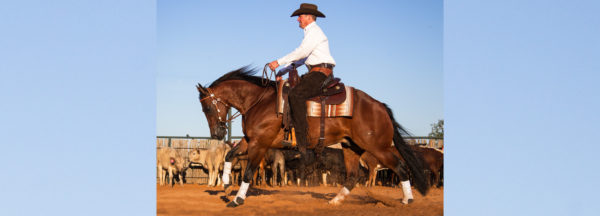
It’s very normal in the beginning for a young horse to mouth and play with the bit when he’s first introduced to it. He’s just trying to figure out what the new piece of equipment is. When I put a bit in a horse’s mouth for the first time, I like to practice groundwork with the mecate bridle so the horse gets used to feeling the bit in his mouth, and at the same time, I’m getting him to use the thinking side of his brain by moving his feet. That way, before I get in the saddle and pick up on the reins he already knows how to respond.
At the end of the training session, if the colt is still playing with the bit, I remove the reins and let him get comfortable wearing the bit. I turn him out in a safe area where he can’t get the bridle hung up on a fence post, etc. I’ll even let him eat in the bit, drink with it, basically just let him get used to feeling it in his mouth. You want the colt to think that the bit is just another part of the day, not something he needs to worry about or get fussy over.
What you don’t want to do is put the bit in the colt’s mouth, see him mouthing on it and then immediately remove it, because that just teaches him that if he reacts to the bit, it’ll go away. You want to teach him that the only way you’ll remove the bit is when he’s relaxed. Usually, after a week of consistently wearing the bit, the colt will stop playing with it.
