Training Tip: Performance Horse Leg Protection
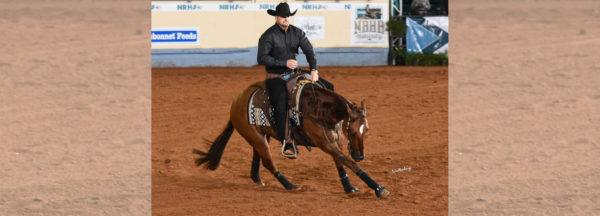
Question: What type of leg protection do you use for your performance horses and why? – Carrie19
Clinton’s Answer: I use Legacy Boots on all of my 2-year-old performance horses as well as on all other training horses. During a performance horse’s 3-year-old year, I start using polo wraps and sometimes a knee boot to protect their legs. A knee boot is extra padding for the horse and protects him from knocking his knees together during maneuvers, especially spins. Think of it like a skateboarder wearing knee or elbow pads. It’s the same concept. I use polo wraps because when you use a knee boot, if you don’t tape the boot to a polo wrap, the boot will slide down the horse’s leg. If you try to put a knee boot on top of a Legacy Boot, you can’t get the boot tight enough to stay in place. It eventually slides down the horse’s leg.
A word of caution if you’re thinking of using polo wraps on your horse: While polo wraps offer great support for a horse, if they’re not put on correctly, they can do a lot of damage. That’s why I love the Legacy Boots, it’s practically impossible to put the boots on wrong.
